A wedding sampler combines personal information and decoration in one stitched piece. Most include the couple’s names and wedding date, with optional initials, flowers, rings, location, a short phrase or another symbol connected to the ceremony. The key is deciding which details carry real meaning rather than turning the embroidery into a list.
A strong design should still work visually even when the viewer does not know the couple. The layout needs hierarchy, balance and enough open space for the names and date to remain easy to read.
Names determine more of the layout than any other element
Name length can change the required width dramatically. A template designed around two short names may not work when one contains ten or twelve letters.
Before stitching, write the real names using the actual alphabet and count their width. Decide whether they will sit on one line, two lines, be joined by a symbol or separated by a small word.
Long names usually benefit from a simpler font. Ornamental detail can be reserved for large initials or the first letter of each name.
The date should be visible without competing with the names
The wedding date usually sits at a secondary level. It can appear underneath the names, inside a wreath or within a small decorative cartouche.
Choose a date format that matches the language and style. “21.09.2026,” “21 September 2026” and “September 21, 2026” take very different amounts of space. Design around the final format rather than a temporary example.
If you also include a location or phrase, simplify the decoration. Three lines of text plus a dense floral border can make the sampler feel cramped.
Flowers add personal meaning without adding more words
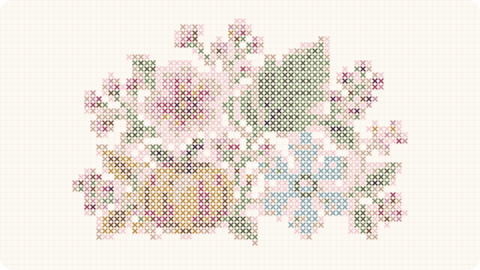
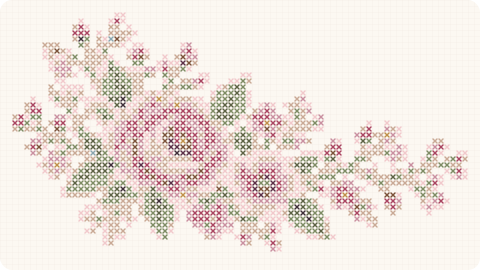
A floral wreath, two side branches or small corner bouquets can reflect the wedding palette, bouquet flowers or birth months.
This adds meaning without increasing the amount of text. It can also visually connect the embroidery to other keepsakes from the ceremony.
For a modern layout, use fewer species and a controlled palette. A romantic design can support more variety and detail, but keep a clear area around the names.
Finished size should respond to the real text and framing plan
A sampler can remain compact when it contains only names, date and one simple motif. Adding flowers, location or a quotation requires more breathing room.
Calculate dimensions in stitches and then translate them to your chosen fabric count. Fourteen-count Aida creates a larger, easy-to-read piece. Sixteen- or 18-count fabric reduces the physical size without changing the chart.
Think about the frame as well. If you want a mat, leave sufficient fabric margin. A personalized piece deserves flexible mounting options and should not be limited by fabric cut too close to the stitching.
The sampler can reflect the wedding style without copying the invitation
A rustic wedding might inspire branches, wildflowers and natural colors. A classic ceremony can use monograms, symmetry and formal florals. An alternative wedding might suit dark botanicals, stars or gothic elements.
You do not need to reproduce the stationery literally. Borrowing two or three elements — palette, flower type and border style — is usually enough to connect the embroidery to the event.
If the sampler is a surprise gift, avoid extremely specific imagery that may not match the couple’s taste. Clean florals and well-balanced names are generally more adaptable.
What to check before starting a personalized wedding sampler
Confirm spelling, accents and the date. These errors are especially frustrating once most of the lettering has already been stitched.
Review a preview that uses the real names rather than sample text. Check alignment, line spacing and whether any flowers crowd the lettering.
Keep the finished chart and palette. If you later want to stitch a related anniversary piece, the original typography and colors provide a useful foundation.
The most effective wedding sampler is not the one containing the most symbols. It organizes a few personal details well and still reads as decorative embroidery. Names, date and one coherent visual frame are often enough to create a keepsake that remains useful long after the wedding day.
If the sampler is being given as a gift, allow time for washing, drying and framing. Finishing the last stitch the night before the wedding turns a sentimental project into a deadline problem. A target several weeks earlier leaves room to correct mistakes and choose a frame without rushing.
It is also useful to keep a photograph of the finished piece and the final personalized chart. If the couple later wants a related anniversary, new-baby or housewarming piece, those records make it much easier to preserve the same visual language instead of rebuilding the design from scratch.